Compare Local Contractors for Squeaking Floor Repair Success
Compare local contractors for squeaking floor repair to define project scope, verify experience, and establish clear expectations before hiring.
Squeaking floor repair typically involves addressing issues related to loose or improperly secured flooring materials, such as hardwood, laminate, or engineered wood. Contractors in this field often focus on identifying the source of the noise, which can stem from subfloor movement, worn-out fasteners, or structural shifts. The work may include tightening or replacing fasteners, re-gluing sections of the floor, or installing additional support to stabilize the surface. Understanding the scope of these repairs helps property owners determine what specific tasks are needed to eliminate squeaks and restore the floor’s integrity.
Defining the scope of a squeaking floor repair project is essential for setting clear expectations and ensuring the work addresses the root cause. A thorough assessment by experienced service providers can reveal underlying issues, such as subfloor damage or framing problems, that might influence the repair approach. Communicating these details in writing creates a shared understanding of what the job entails, helps prevent misunderstandings, and ensures that all parties agree on the work to be performed. Proper scope definition also allows property owners to compare contractors based on the specific services they offer and the methods they plan to use.
When evaluating local contractors for squeaking floor repairs, property owners should consider factors such as experience with similar projects, reputation within the community, and the clarity of their proposals. It’s useful to ask about their process for diagnosing issues and the types of repair techniques they employ. Comparing how contractors outline their scope of work, the level of detail provided, and their approach to addressing potential complications can help in selecting a service provider that aligns with the project’s needs. Gathering information about each contractor’s background and method ensures that property owners can make informed decisions and choose professionals capable of delivering quality results.
Compare local contractors by outlining your priorities, verifying experience, and setting clear scope and expectations in writing.
- Compare Local Contractors - review multiple service providers to find the best match for squeaking floor repairs.
- Define Scope Clearly - establish detailed project requirements to ensure mutual understanding with contractors.
- Verify Experience - check the background and past work of local contractors to assess their expertise.
- Set Expectations in Writing - document project scope and responsibilities to help prevent misunderstandings.
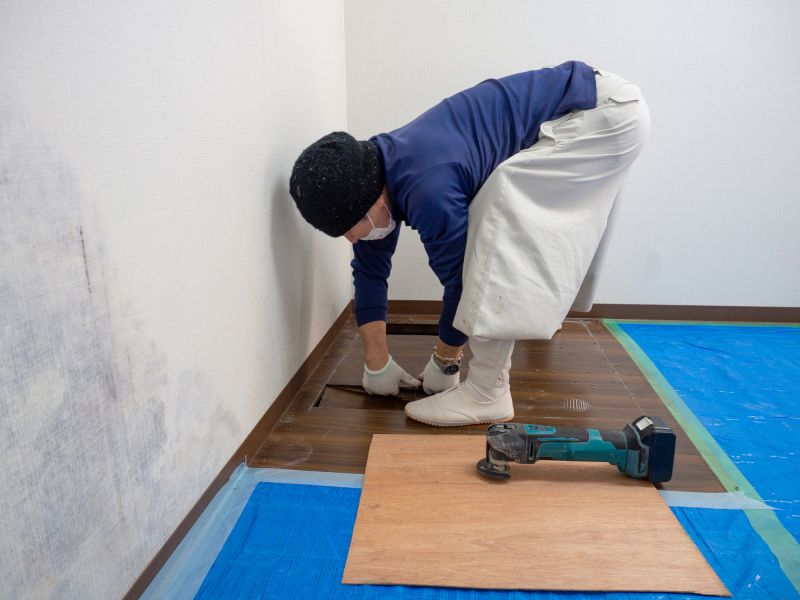
Clearly describe your squeaking floor repair project to help local contractors compare options and set clear expectations.
- Verify the experience of local contractors with squeaking floor repairs to ensure familiarity with different flooring types. - Assess the scope of work to confirm it covers the specific causes of squeaking in the flooring area.
- Compare multiple service providers to understand their approaches and methods for fixing squeaky floors. - Ensure the scope, materials, and techniques are clearly defined in written agreements.
- Check references or reviews to gauge the reliability and quality of previous squeaking floor repair projects handled by the contractors. - Confirm that the contractor can identify underlying issues contributing to the squeaking.
- Discuss the materials and repair methods to be used, making sure they align with the flooring type and condition. - Clarify what is included in the scope of work to avoid misunderstandings.
- Request detailed written descriptions of the repair process and expected outcomes to set clear expectations. - Ensure all project details are documented before work begins.
Use this to compare local contractors, clarify scope, verify experience, and set clear expectations.



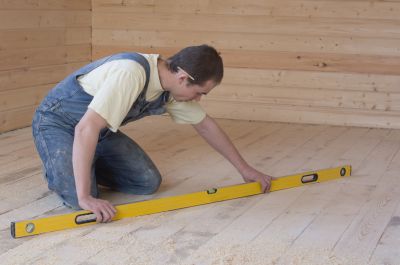
Use consistent comparison criteria across local contractors to evaluate scope, verify experience, and clarify expectations in writing.
- Scope Definition - Clearly specify the areas of flooring that require squeak repair to ensure contractor understanding.
- Material Identification - Identify the type of flooring and subfloor materials involved to facilitate appropriate repair methods.
- Experience Verification - Confirm that service providers have relevant experience with squeaking floor repairs in similar environments.
- Work Expectations - Outline the desired outcomes and repair techniques to set clear expectations with local contractors.
- Written Agreement - Ensure all scope details and project requirements are documented in a written agreement before work begins.
When evaluating contractors for squeaking floor repair, it’s important to consider their experience with similar projects. Homeowners should seek out service providers who have a proven track record of addressing squeaking issues in flooring systems comparable to their own. Asking about past work can reveal whether a contractor has the necessary familiarity with different flooring types, subfloor conditions, and repair techniques, helping to ensure that the chosen professional understands the specific challenges involved.
A clear, written scope of work is essential for setting expectations and avoiding misunderstandings. Homeowners should request detailed descriptions of the repair process, including what areas will be addressed, the methods used, and any materials involved. A well-defined scope provides a solid foundation for comparing different service providers and ensures that both parties have a shared understanding of what the project entails, which can help prevent surprises or miscommunications later on.
Verification basics are key when assessing potential contractors. Homeowners can ask for references or examples of completed squeaking floor repairs, and inquire about the methods used to diagnose the issue. Confirming that a service provider has the appropriate experience and approach to troubleshooting can help determine their capability to handle the specific problem efficiently. Additionally, clarifying how the contractor plans to verify the success of the repair-such as testing the floor after work-is an important step in ensuring quality results.
Evaluating options involves more than just initial impressions; it requires careful comparison of how each contractor plans to approach the repair. Homeowners should review the scope of work, experience, and verification methods provided by each service provider. Asking for detailed explanations of their process and how they intend to address the squeaking can help distinguish between different options. This approach allows homeowners to select a professional who demonstrates a thorough understanding of the repair needs and a clear plan for delivering a successful outcome, all while ensuring expectations are documented in writing.
Ask contractors to provide written scope details to ensure clear understanding and consistent expectations for the repair.
- Experience and Expertise - What specific experience do contractors have with squeaking floor repairs?
- Scope of Work - How do contractors define and clarify the scope of the repair project?
- Comparison Criteria - What factors should be used to compare different service providers beyond pricing?
- Work Approach - How do contractors plan to diagnose the cause of squeaking and address it effectively?
- Written Agreements - What details should be included in the written scope and expectations for the repair work?
How can I compare contractors for squeaking floor repair? To compare local contractors, review their experience with flooring repairs, check customer feedback, and request detailed service descriptions to understand their approach.
What should I consider when defining the scope of the repair? Clearly identify the areas affected by squeaking, determine if the issue is isolated or widespread, and specify any desired outcomes to ensure contractors understand the project.
How can I verify a contractor’s experience with squeaking floor repairs? Ask for examples of previous work, inquire about their familiarity with different flooring types, and check references or reviews to gauge their expertise.
What is important to include in a written agreement with a contractor? Ensure the scope of work, materials to be used, project expectations, and any warranties or guarantees are documented to prevent misunderstandings.
Why is it helpful to ask contractors about their repair methods? Understanding their approach helps determine if their techniques are suitable for your flooring type and if they have a reliable process for addressing squeaks.
How can I ensure the contractor understands my specific needs? Communicate your concerns clearly, provide detailed descriptions of the squeaking issues, and confirm that the contractor’s proposed plan aligns with your expectations before work begins.
This page has highlighted the importance of understanding the scope of squeaking floor repair projects, verifying the experience of service providers, and setting clear expectations in writing. Comparing different local contractors can help identify those best suited to handle the specific needs of a flooring repair. Utilizing the quote form allows for an efficient way to explore options and gather information to make informed decisions.
To find the right contractor for squeaking floor repair, it’s recommended to use the provided quote form to connect with trusted service providers in the area. This process enables comparison of local contractors, ensuring that details about the scope of work and expectations are clearly defined. Taking these steps can help identify the options that align with the project requirements.