Compare Local Contractors for Subfloor Replacement Projects
Compare local contractors to clarify scope, verify experience, and establish written expectations for a successful subfloor replacement project.
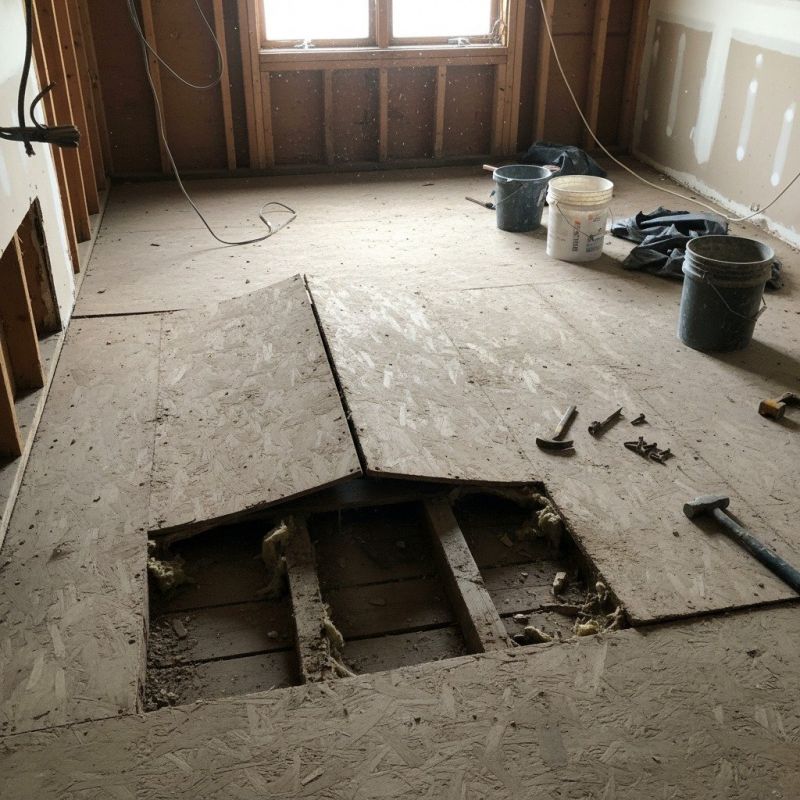
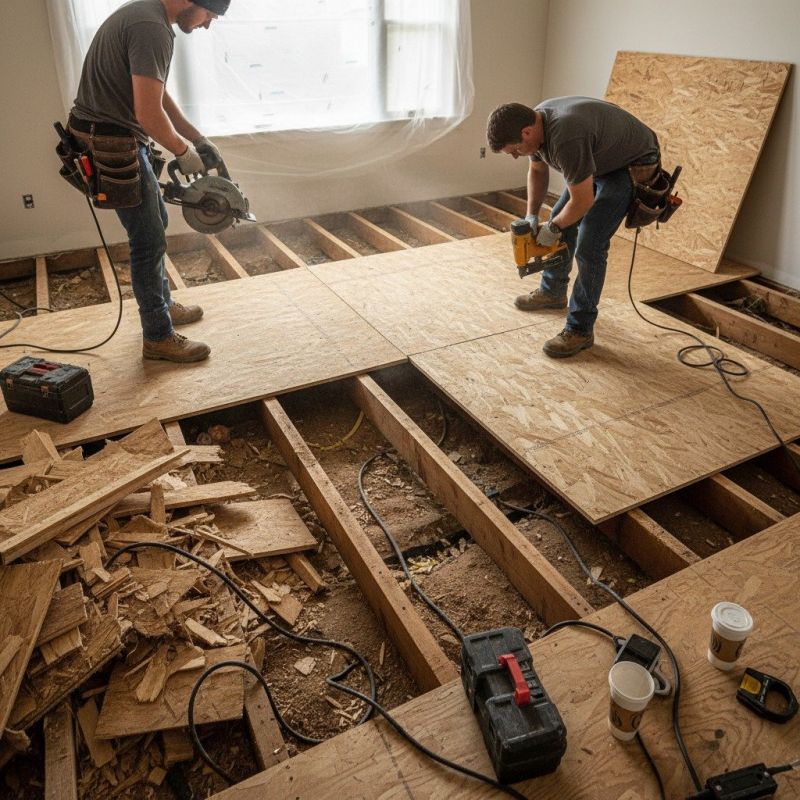
Contractors specializing in subfloor replacement handle a range of work that involves removing and replacing damaged or deteriorated subfloor materials beneath existing flooring. This process typically includes assessing the extent of damage, removing the old subfloor, preparing the underlying structure, and installing new subfloor panels to provide a stable foundation for the finished flooring surface. Proper subfloor replacement is essential for maintaining the integrity of flooring systems, preventing issues such as squeaking, uneven surfaces, or structural problems that can affect the safety and longevity of a property.
Clearly defining the scope of subfloor replacement work is a key step in ensuring the project meets expectations. Property owners should work with service providers to specify the areas to be addressed, the type of materials to be used, and any additional repairs that may be necessary, such as fixing underlying framing or addressing moisture issues. Establishing these details in writing helps prevent misunderstandings, ensures all parties are aligned on the work to be performed, and provides a clear reference throughout the project.
When comparing local contractors for subfloor replacement, property owners should consider factors such as experience with similar projects, reputation within the community, and the quality of materials used. It’s advisable to verify the contractor’s background by reviewing references or previous work examples, and to ensure that the scope of work is detailed in a written agreement. This documentation should outline the specific tasks, materials, and responsibilities involved, helping property owners make informed decisions and select service providers best suited to their project needs.
Compare local contractors by outlining your project priorities, verifying experience, and setting clear expectations in writing.
- Define the scope of work - clearly outline the specific tasks and materials involved in the subfloor replacement.
- Verify experience and expertise - ensure contractors have relevant background in subfloor installation and repair.
- Compare service providers - evaluate local contractors based on their offerings, reputation, and project approach.
- Set expectations in writing - document project details, responsibilities, and standards to prevent misunderstandings.

Clearly describe your subfloor replacement project to help compare local contractors, verify experience, and set expectations in writing.
- Verify experience and references for subfloor replacement projects handled by local contractors. - Ensure service providers clearly define the scope of work and the materials to be used.
- Check for detailed written estimates that outline the extent of the subfloor repair or replacement. - Look for contractors who provide comprehensive documentation of the proposed work and materials.
- Assess the contractor’s understanding of subfloor issues, such as moisture problems or structural damage. - Confirm that local service providers identify underlying causes before proceeding with replacement.
- Compare multiple quotes to evaluate the scope, materials, and methods proposed by different local contractors. - Focus on consistency and clarity in the scope of work across different quotes.
- Discuss warranty or guarantee options for the subfloor work to understand what coverage is offered. - Ensure service providers can explain their warranty policies in writing.
- Request a detailed project plan that includes preparation, removal, installation, and finishing steps. - Make sure the scope and process are clearly outlined in the written agreement.
Compare local contractors’ experience and clarify project scope to ensure successful subfloor replacement.


Compare local contractors' scope, experience, and written expectations to ensure consistent, reliable subfloor replacement work.
- Scope Definition - Clearly outline the extent of subfloor replacement, including areas to be addressed and specific materials to be used.
- Material Specifications - Specify the types and quality of subfloor materials suitable for the project’s needs.
- Experience Verification - Confirm that local contractors have relevant experience with subfloor removal and installation.
- Work Expectations - Detail the expected process, including preparation, removal, installation, and cleanup procedures.
- Written Agreement - Ensure all scope details, materials, and responsibilities are documented in a comprehensive written contract.
When comparing contractors for subfloor replacement, it’s important to evaluate their experience with similar projects. Homeowners should inquire about the types of subfloor work the service providers have completed in the past, paying attention to projects that resemble the scope and complexity of the current job. A contractor with a proven track record in handling subfloor replacements-particularly in homes with comparable structures or flooring materials-can offer insights into potential challenges and effective solutions. Reviewing the contractor’s history with projects of similar size and detail helps ensure they possess the practical knowledge necessary to deliver quality results.
A clear, written scope of work is essential for setting expectations and avoiding misunderstandings. Homeowners should seek detailed descriptions of what the subfloor replacement will encompass, including the materials to be used, preparation steps, and the extent of demolition or repair involved. A comprehensive scope provides a solid foundation for evaluating the professionalism of service providers and ensures that both parties have a shared understanding of the project’s parameters. Clear documentation also facilitates smoother communication and helps prevent scope creep or unexpected issues later in the process.
Verification basics involve confirming that the service providers have the proper experience and expertise relevant to subfloor replacement. Homeowners can ask for references or examples of completed projects, and verify that the contractors have handled similar jobs successfully. It’s also helpful to review any available credentials or credentials related to the industry standards for subfloor work. Confirming the contractor’s familiarity with local building codes and best practices ensures that the project will meet necessary requirements and be completed to a professional standard.
When evaluating options, homeowners should focus on the details of each contractor’s experience, scope, and verification methods rather than price alone. Comparing how thoroughly each service provider understands the project requirements and their approach to quality and craftsmanship can reveal their suitability. Asking for written descriptions of the work process, materials, and project milestones can help distinguish between contractors who are well-prepared and those who may lack the necessary expertise. This approach ensures that the selection process is based on competence and clarity, leading to a more successful subfloor replacement.
Ask contractors to provide written scope details to ensure clear expectations and consistent project understanding.
- Experience and Past Projects - What types of subfloor replacement projects have the contractors completed previously?
- Scope of Work - How do the contractors define and outline the specific scope of the subfloor replacement?
- Material and Methodology - What materials and techniques do the service providers typically use for subfloor replacement?
- Warranty and Written Agreements - Do the contractors provide detailed written descriptions of the scope and any warranties offered?
- Comparison of Services - How do the local contractors differ in their approach to subfloor replacement to ensure quality and reliability?
What should I consider when comparing contractors for subfloor replacement? It's important to review each contractor’s experience with similar projects, verify their reputation through references or reviews, and ensure they provide clear scope definitions and written estimates to set proper expectations.
How can I define the scope of a subfloor replacement project? Clearly outline the areas to be replaced, identify any underlying issues that need addressing, and communicate specific materials or methods preferred to ensure contractors understand the full extent of the work.
What questions should I ask contractors about their experience? Inquire about their previous work with subfloor replacement, ask for examples of completed projects, and verify their familiarity with different subfloor materials and installation techniques.
Why is it important to get written estimates and scope agreements? Written documentation helps prevent misunderstandings, clarifies the work to be done, and provides a reference point for project details, ensuring all parties agree on expectations.
How can I verify a contractor’s reliability for subfloor projects? Check references or reviews, ask about their previous experience, and ensure they have a track record of completing similar projects to your satisfaction.
What are some key factors to compare between different service providers? Focus on their experience, clarity of scope and estimates, reputation, and ability to meet your specific project needs to make an informed choice.
Understanding the key aspects of subfloor replacement, including defining project scope, verifying experience, and setting clear expectations in writing, can help ensure a smooth process. Comparing service providers allows for informed decisions and helps find the right contractor for the job. Utilizing the quote form makes it simple to explore options and connect with local contractors who can handle the work.
Taking the time to evaluate local service providers ensures that expectations are clear and the project is properly planned. Using the quote form to compare options provides an easy way to identify experienced contractors capable of managing subfloor replacement. This approach supports making well-informed choices tailored to specific project needs.