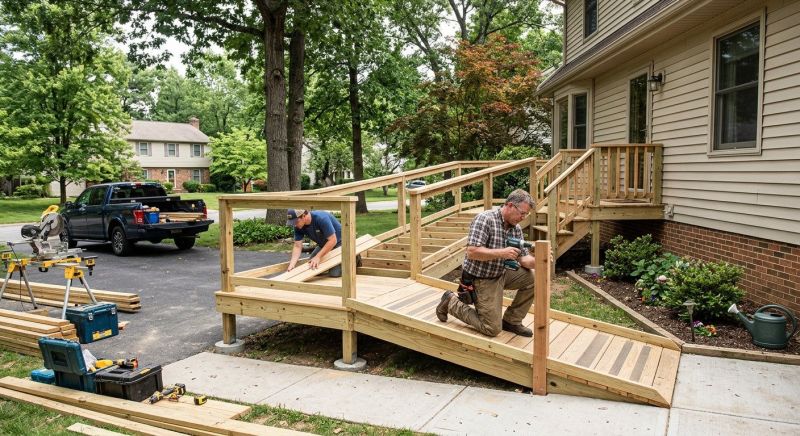
Home Ramp Installation in Wilmington, NC
Home ramp installation services provide customized solutions to improve accessibility around residential properties. These projects typically include installing ramps at entryways, steps, or patios to accommodate mobility devices such as wheelchairs, walkers, or scooters. Property owners often request these services to ensure safer, more convenient access to their homes, especially when dealing with uneven terrain, stairs, or other obstacles that may hinder movement. Before requesting a ramp installation, it is helpful for homeowners to consider the location, size, and type of ramp needed, as well as any building codes or property restrictions that may apply.
Understanding the specific requirements of the property is essential for a successful installation. Homeowners should evaluate the available space for the ramp, the slope or incline needed for safe use, and the materials that best suit their environment and aesthetic preferences. Additionally, it’s important to clarify any structural considerations, such as foundation support or existing pathways, to ensure the new ramp integrates seamlessly with the property. Proper planning helps facilitate a smooth installation process and results in a durable, functional addition that enhances accessibility.
Many property owners in Wilmington, NC look into Home Ramp Installation for repairs, replacements, upgrades, and appearance-related improvements.
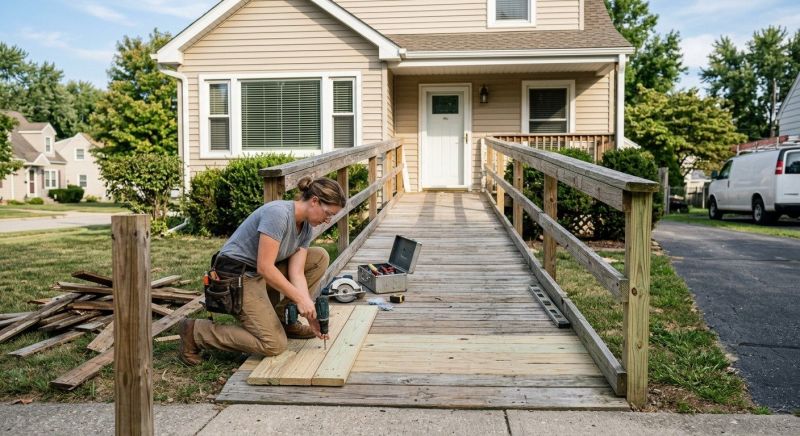
Accessible Entry Solutions
Home ramps provide safe and convenient access for all visitors and residents.
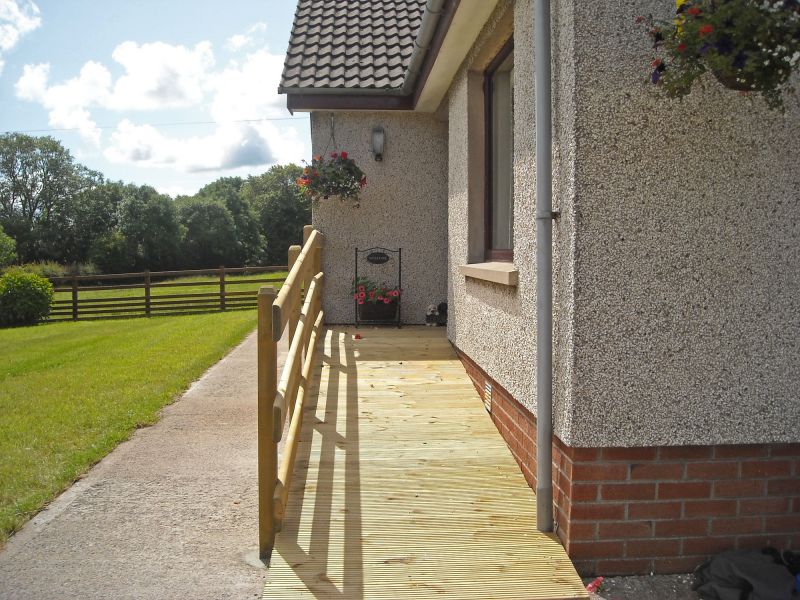
Custom Ramp Designs
Ramps can be tailored to fit different property layouts and mobility needs.
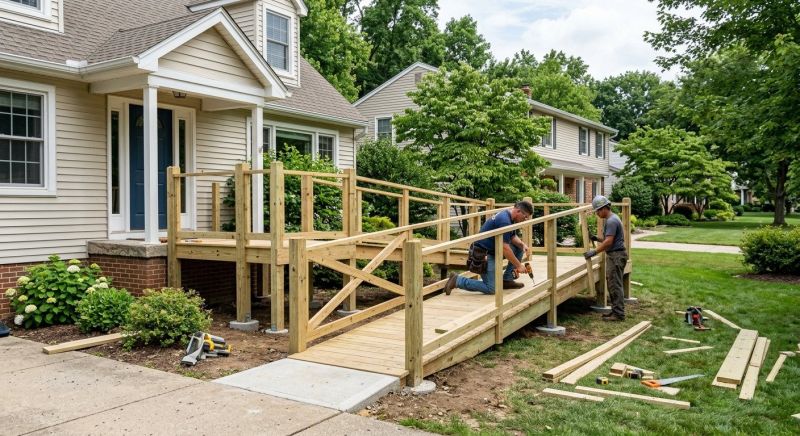
Enhancing Property Safety
Installing a ramp reduces the risk of falls and improves overall property safety.
Home Ramp Installation in Wilmington, NC
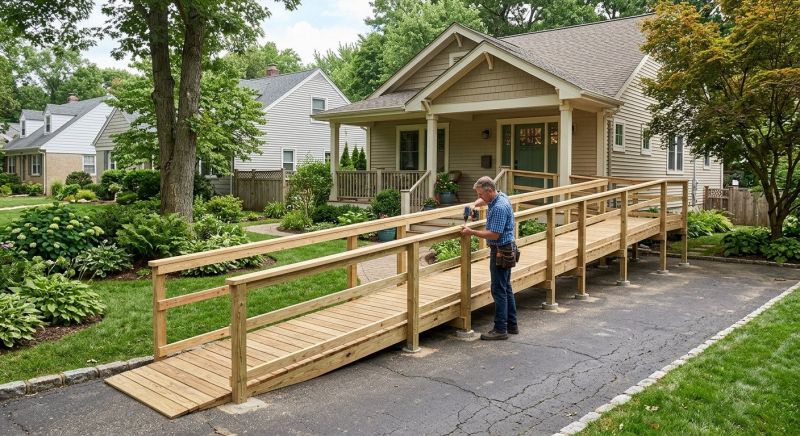
Home ramp installation services provide customized solutions to improve accessibility around residential properties. These projects typically include installing ramps at entryways, steps, or patios to accommodate mobility devices such as wheelchairs, walkers, or scooters. Property owners often request these services to ensure safer, more convenient access to their homes, especially when dealing with uneven terrain, stairs, or other obstacles that may hinder movement. Before requesting a ramp installation, it is helpful for homeowners to consider the location, size, and type of ramp needed, as well as any building codes or property restrictions that may apply.
Understanding the specific requirements of the property is essential for a successful installation. Homeowners should evaluate the available space for the ramp, the slope or incline needed for safe use, and the materials that best suit their environment and aesthetic preferences. Additionally, it’s important to clarify any structural considerations, such as foundation support or existing pathways, to ensure the new ramp integrates seamlessly with the property. Proper planning helps facilitate a smooth installation process and results in a durable, functional addition that enhances accessibility.
Many property owners in Wilmington, NC look into Home Ramp Installation for repairs, replacements, upgrades, and appearance-related improvements.
Common Home Ramp Installation Jobs
Home Ramp Installation - Provides safe and accessible entryways for homes and properties.
Residential ramps - Designed to improve mobility for individuals with limited stairs.
Entryway ramps - Custom-built to fit doorways and steps for seamless access.
Deck and porch ramps - Enhance outdoor accessibility and convenience.
Portable ramps - Offer temporary solutions for events or seasonal needs.
Commercial ramp installation - Ensures compliance and safety for businesses and public spaces.
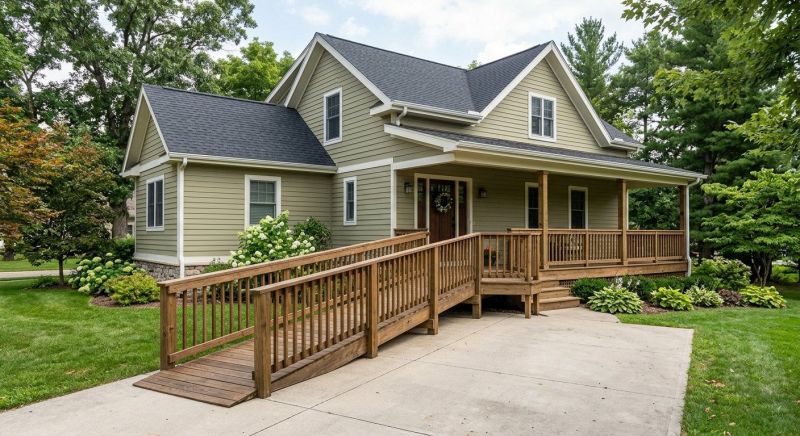
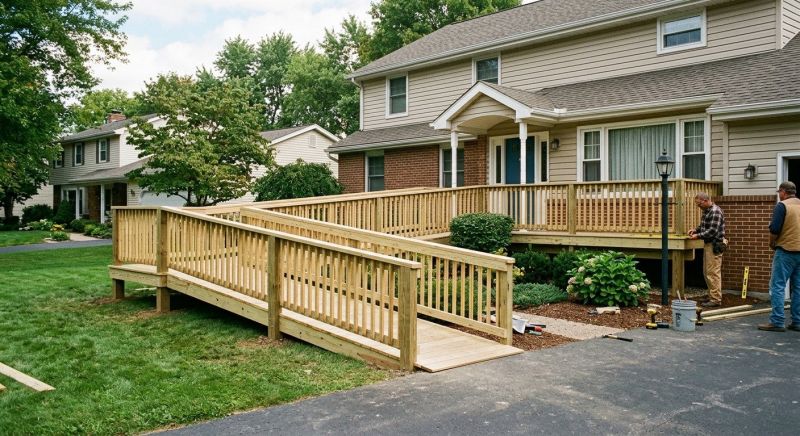
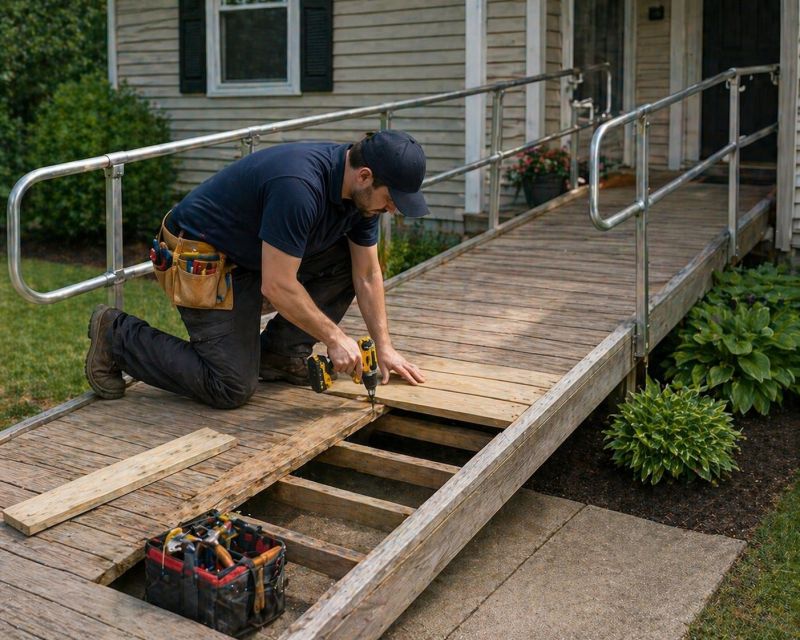
Home Ramp Installation Questions
What types of ramps are available for installation? There are various options including portable, modular, and permanent ramps to suit different property needs and accessibility requirements.
How do I know if a home ramp is suitable for my property? The suitability depends on the property’s layout, the height of the entry point, and accessibility goals.
What materials are commonly used for home ramps? Common materials include aluminum, wood, and composite, chosen for durability and safety.
Are home ramps designed to meet accessibility standards? Ramps can be designed to accommodate specific accessibility needs and comply with local guidelines.
Request Home Ramp Installation in Wilmington, NC
Use the quote form on this page to share the basics of your project and request more information for the type of work you need.